Operational Performance Analytics: 120574472, 364276239, 680472002, 640504725, 454123303, 22024600
Operational performance analytics serves as a vital mechanism for organizations aiming to enhance their efficiency and effectiveness. By systematically evaluating processes, stakeholders can leverage key metrics to pinpoint areas needing improvement. This analytical approach fosters accountability and encourages a culture of continuous enhancement. However, the implementation of data-driven strategies remains a critical step. Understanding how to optimize these strategies could significantly impact overall performance outcomes. What specific challenges do organizations face in this endeavor?
Understanding Operational Codes and Their Importance
Although operational codes may seem like mere classifications, their significance in organizational performance cannot be overstated.
These codes provide a structured framework that guides decision-making processes, influencing efficiency and effectiveness. By establishing clear parameters, organizations can better align their strategies with desired outcomes.
Consequently, understanding operational codes is vital for enhancing performance significance and fostering a culture of accountability and continuous improvement.
Key Metrics for Performance Analytics
Key metrics for performance analytics play a crucial role in assessing the effectiveness of organizational operations.
Essential performance indicators, such as efficiency rates and customer satisfaction scores, provide valuable insights.
Utilizing advanced analytics tools enables organizations to track these metrics systematically, facilitating informed decision-making.
This data-driven approach empowers entities to enhance their operational strategies while promoting transparency and accountability across various functions.
Identifying Areas for Improvement
Identifying areas for improvement requires a systematic evaluation of operational processes and performance metrics.
This assessment highlights performance bottlenecks that impede efficiency. By analyzing data trends and employee feedback, organizations can pinpoint specific inefficiencies.
Process optimization techniques can then be employed to streamline workflows, enhance productivity, and ultimately foster a culture of continuous improvement.
This allows teams to thrive and achieve greater autonomy in their operations.
Implementing Data-Driven Strategies for Success
To achieve operational excellence, organizations must harness the power of data-driven strategies that inform decision-making and guide process improvements.
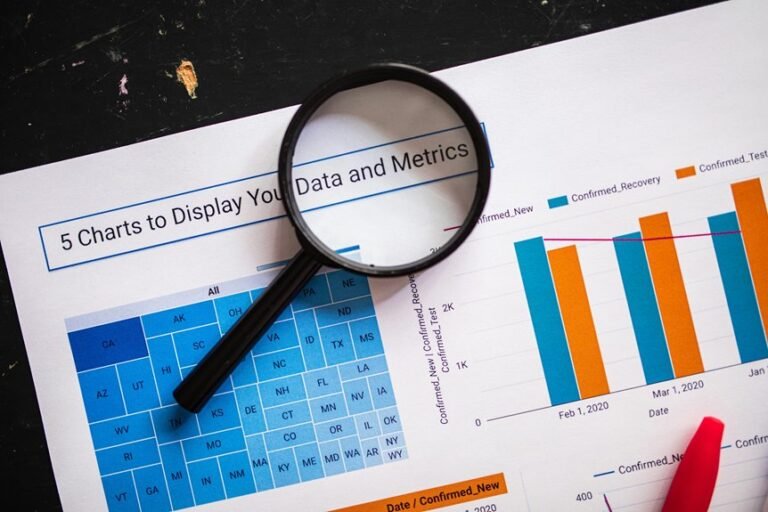
Effective data visualization techniques can enhance understanding, enabling stakeholders to interpret complex data sets easily.
Conclusion
In conclusion, operational performance analytics serves as an invaluable framework for organizations seeking to optimize their processes. While some may argue that the reliance on metrics can lead to a narrow focus, it is essential to recognize that informed decision-making cultivates a broader understanding of organizational dynamics. By embracing a data-driven approach, stakeholders can not only enhance efficiency but also foster a culture of continuous improvement, ultimately driving sustainable success across diverse operational codes.