Operational Metrics & System Performance Evaluation: 8772595779, 120769667, 5134499796, 910607324, 650322373, 6148901204
Operational metrics and system performance evaluation serve as essential tools for organizations aiming to optimize their operations. By systematically analyzing key performance indicators, businesses can identify areas of inefficiency and bottlenecks that hinder progress. This analytical approach not only facilitates informed decision-making but also aligns operational processes with strategic goals. However, the implications of neglecting these metrics can be significant. What consequences might arise for organizations that overlook this critical aspect of performance management?
Understanding Key Performance Indicators (KPIs)
Key Performance Indicators (KPIs) serve as critical metrics for evaluating the effectiveness and efficiency of operational processes within an organization.
KPI definitions encompass quantifiable measures that reflect strategic objectives, while KPI examples include metrics such as customer satisfaction scores and inventory turnover rates.
These indicators enable organizations to assess performance, identify areas for improvement, and make informed decisions that promote operational freedom and growth.
Analyzing Operational Metrics
While organizations often rely on KPIs to gauge performance, a deeper analysis of operational metrics is essential for uncovering underlying trends and inefficiencies.
The Impact of System Performance Evaluation
Evaluating system performance plays a pivotal role in understanding the effectiveness of operational strategies.
It enables organizations to identify areas for improvement in system efficiency, aligning processes with established performance benchmarks.
Strategic Decision-Making Through Data Insights
As organizations increasingly rely on data to guide their strategic decisions, the integration of data insights into operational frameworks becomes essential.
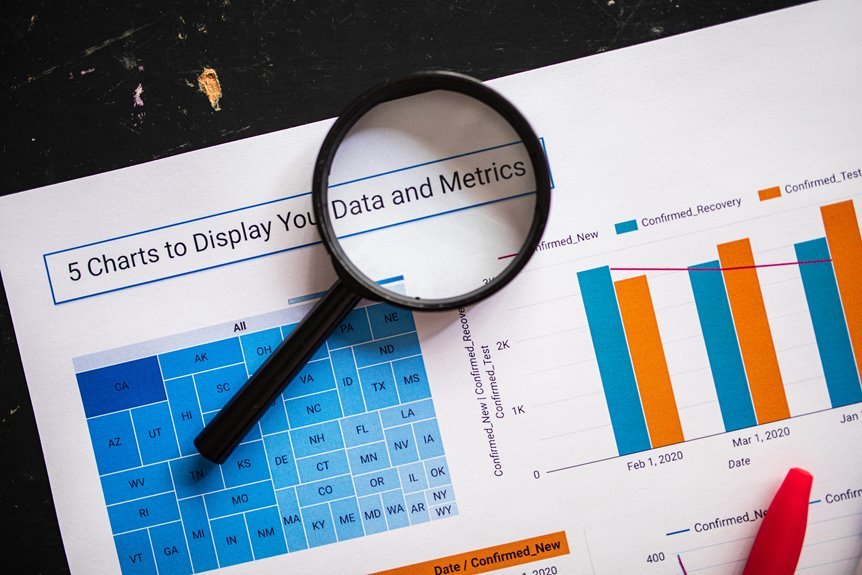
Employing data visualization techniques enhances comprehension of complex datasets, while predictive analytics facilitates informed forecasting.
This dual approach empowers decision-makers to identify trends, optimize resource allocation, and enhance overall performance, ultimately fostering a culture of innovation and adaptability in a rapidly evolving business landscape.
Conclusion
In the intricate landscape of operational metrics and system performance, the stakes are undeniably high. As organizations delve deeper into their KPIs and operational analyses, they stand at a precipice—armed with data but challenged by the implications of their findings. Will they confront the inefficiencies lurking beneath the surface, or will they risk stagnation? The choice lies in their ability to translate insights into strategic actions, ultimately determining their trajectory in an unforgiving business environment.