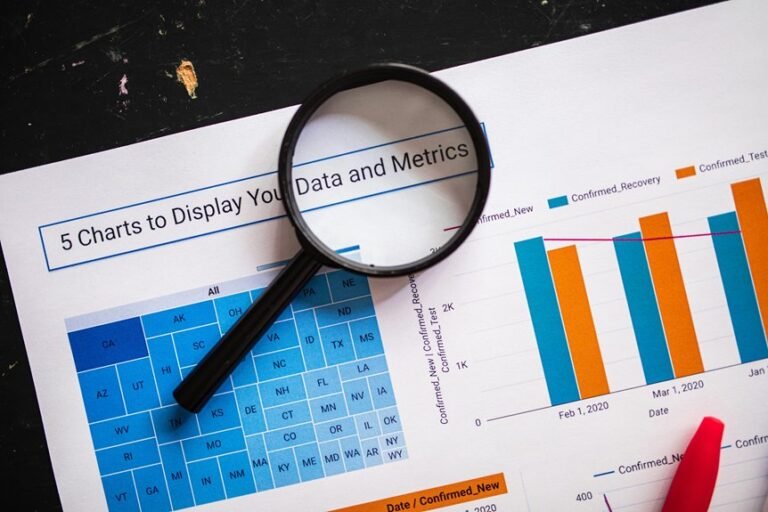
Business Intelligence Movement Report: 3533416589, 912037870, 516187660, 3222830099, 6933918778, 338391031
The Business Intelligence Movement Report presents a comprehensive analysis of the current landscape in data utilization across organizations. Key trends such as predictive analytics and advanced data visualization are examined for their role in shaping strategic decision-making. As companies encounter evolving market dynamics, the report raises critical questions about the effectiveness of these tools. What implications do these trends hold for future business strategies and competitive positioning? The answers may redefine the way organizations operate.
Key Trends in Business Intelligence
As organizations increasingly rely on data-driven decision-making, several key trends are emerging in the field of business intelligence (BI).
Data visualization tools are becoming essential, enabling stakeholders to interpret complex datasets intuitively. Meanwhile, predictive analytics is gaining traction, allowing businesses to forecast trends and behaviors effectively.
Together, these advancements empower organizations to leverage insights, fostering a culture of informed decision-making and strategic freedom.
Data-Driven Decision Making
Data-driven decision making has emerged as a critical framework for organizations seeking to enhance their operational effectiveness and competitive advantage.
By leveraging data analytics and predictive modeling, companies can identify trends, optimize resource allocation, and mitigate risks.
This approach enables informed choices, fostering a culture of accountability and agility, ultimately empowering organizations to navigate complex markets with confidence and precision.
Emerging Patterns in the Marketplace
Identifying emerging patterns in the marketplace is essential for organizations aiming to stay ahead of the competition.
Effective market segmentation and insights into consumer behavior guide strategic decisions.
Utilizing advanced analytics tools, firms can conduct competitive analysis and leverage predictive modeling.
Data visualization enhances understanding, enabling organizations to anticipate trends and adapt proactively, ensuring they remain responsive in a dynamic market environment.
Future Outlook for Business Intelligence
The future of business intelligence is poised for significant transformation, driven by advancements in technology and evolving consumer expectations.
AI integration and predictive analytics will enhance real-time insights, while cloud solutions and mobile accessibility will improve user experience.
Automation tools will streamline processes, and robust data governance will ensure accuracy and security, ultimately empowering organizations to make informed decisions with greater freedom.
Conclusion
The Business Intelligence Movement Report illustrates the critical role of data analytics in shaping strategic decisions within organizations. As businesses increasingly rely on predictive analytics and data visualization to navigate complex environments, one must consider: how can companies harness these insights to stay ahead of market trends? This report not only highlights current trends but also emphasizes the necessity for a data-driven culture, ultimately positioning businesses to gain a competitive edge in an ever-evolving landscape.